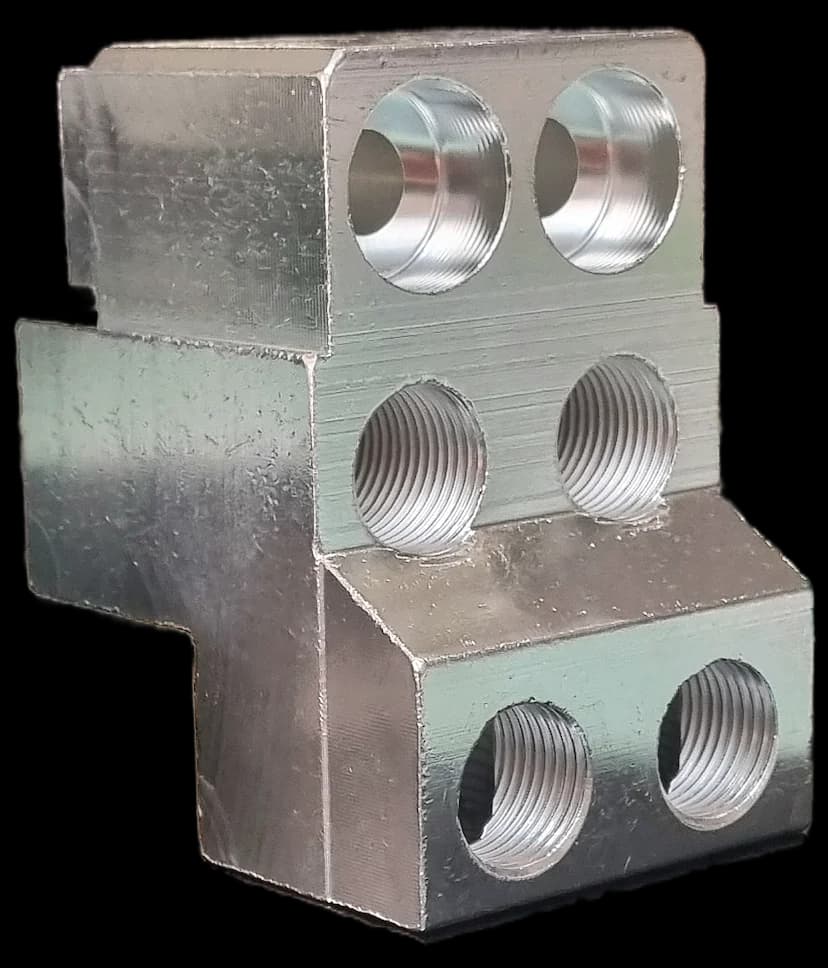
CW617N brass (commercially OT58), the standard alloy for compression fittings, valves and manifolds, contains around 2% lead (1.6-2.5%) to ensure machinability. It is a technological compromise that has lasted for decades: without lead, brass is difficult to drill, thread and hot-stamp.
On prolonged contact with potable water, especially when acidic, low in salts or oxygenated, lead is released through surface leaching. In parallel, on certain alloys, zinc migrates selectively, giving rise to dezincification. These are two distinct phenomena, both documented by European regulations for over twenty years.
Directive (EU) 2020/2184 on the quality of water intended for human consumption sets the lead limit at 10 µg/L today. From 2036 it will drop to 5 µg/L. For fittings manufacturers, documenting the functional barrier between alloy and water, batch by batch, becomes essential.
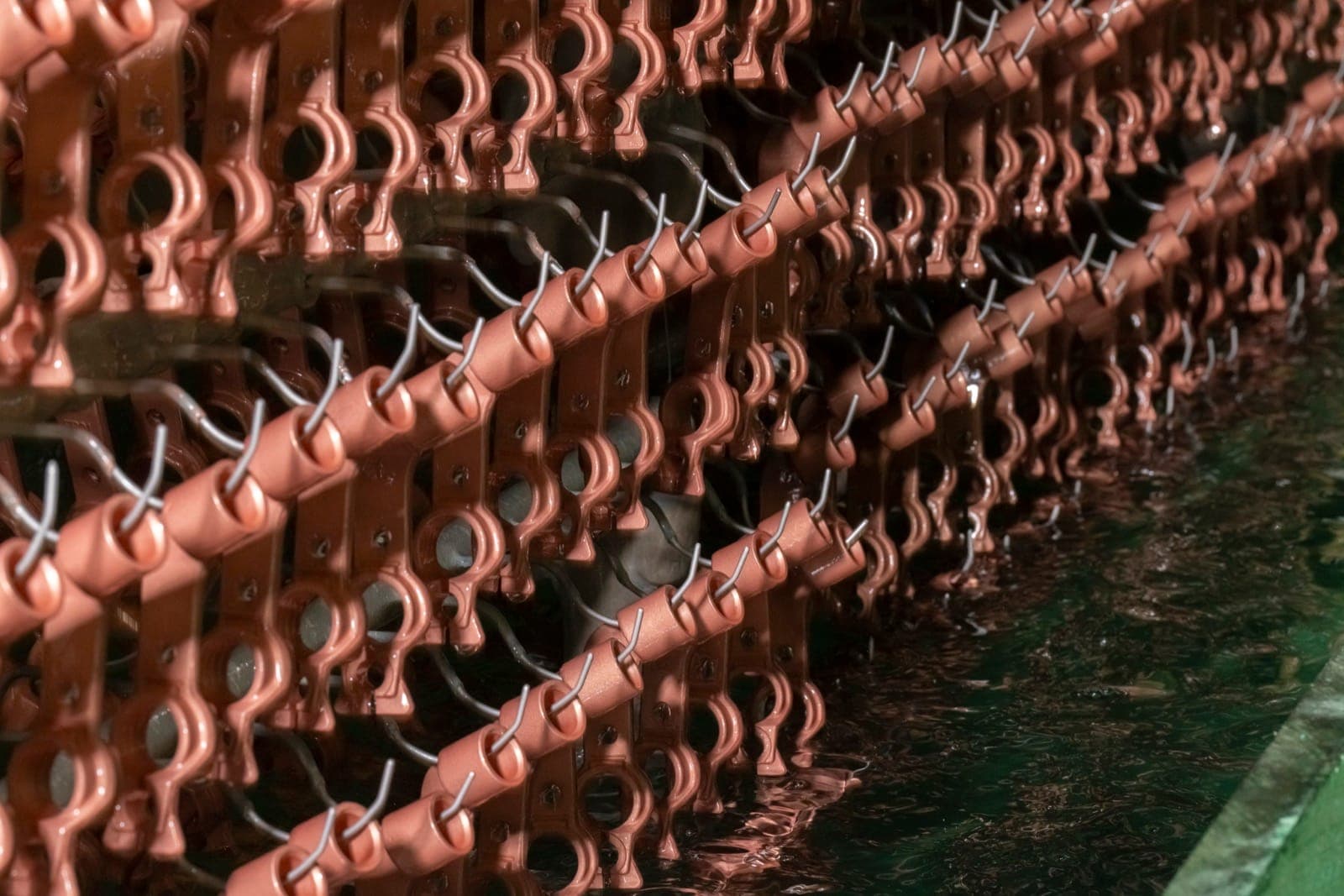
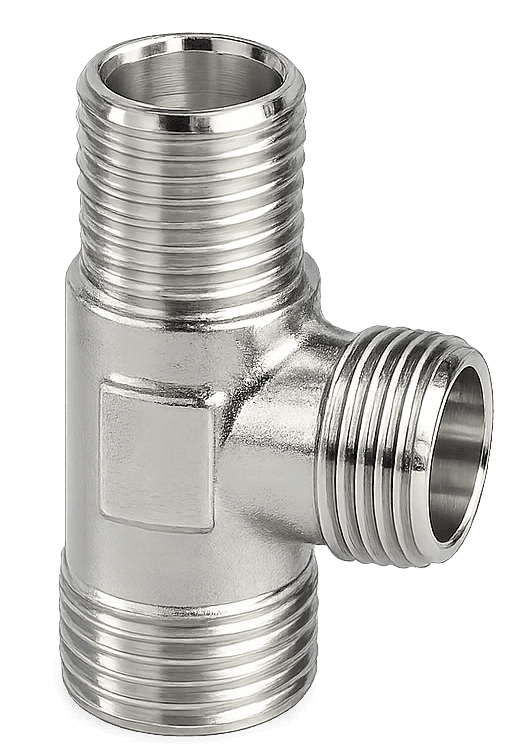
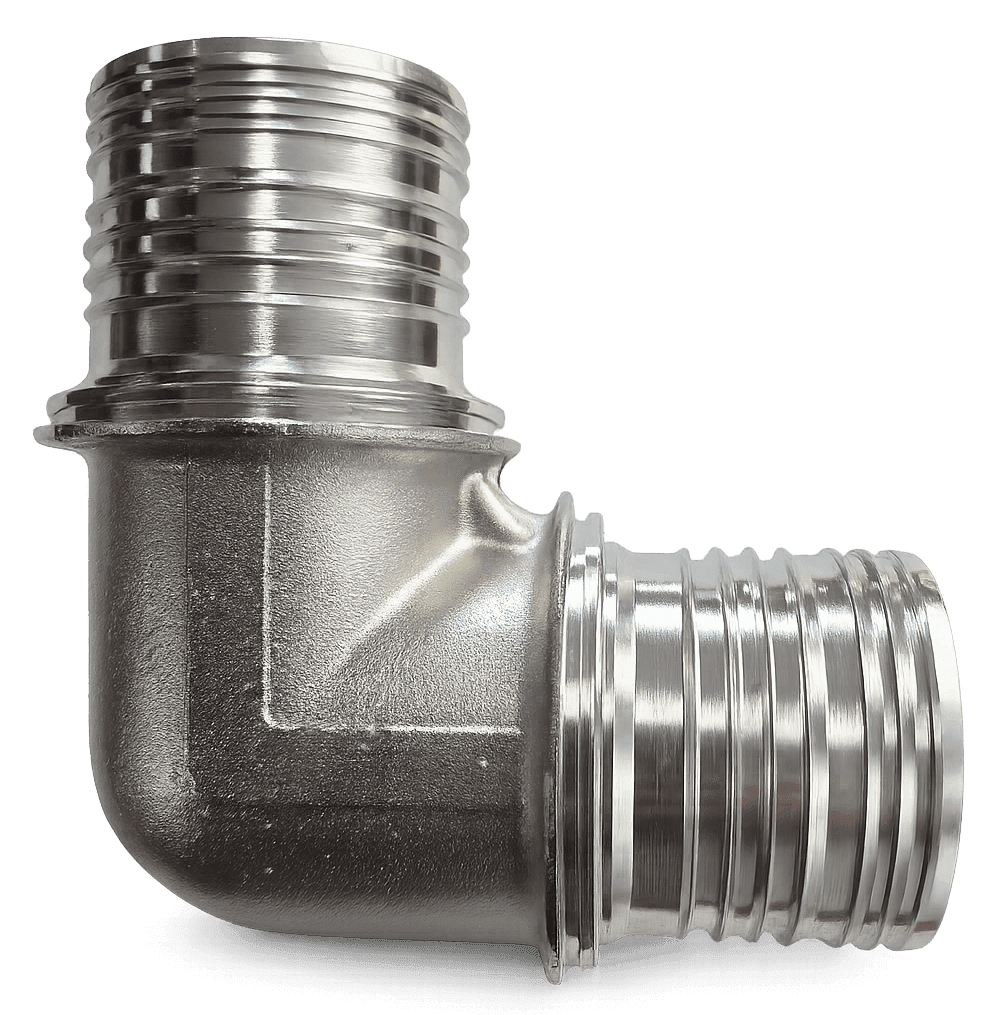
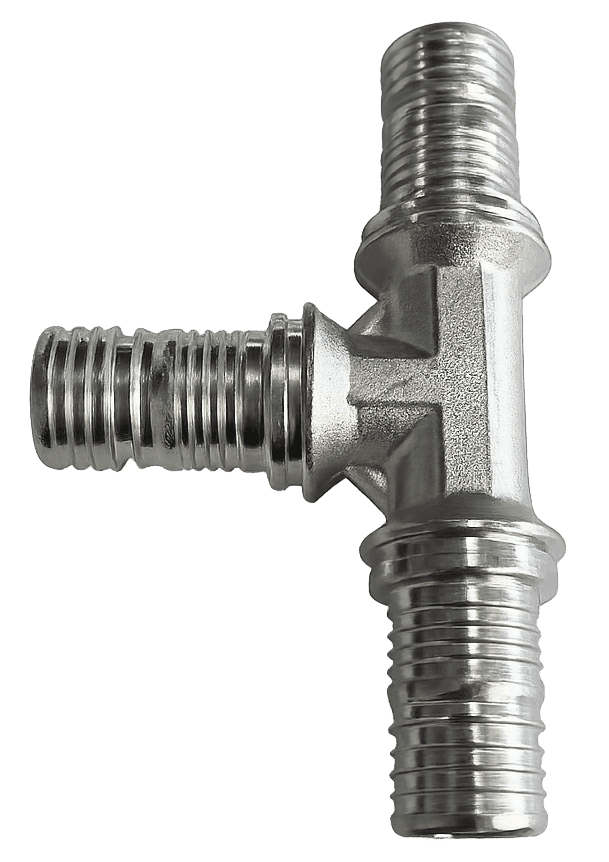
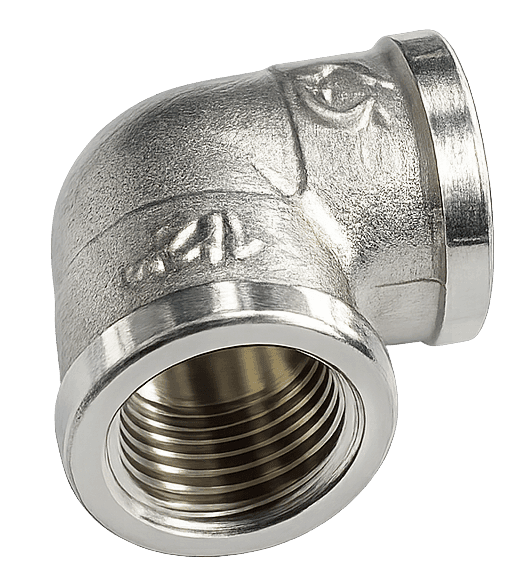
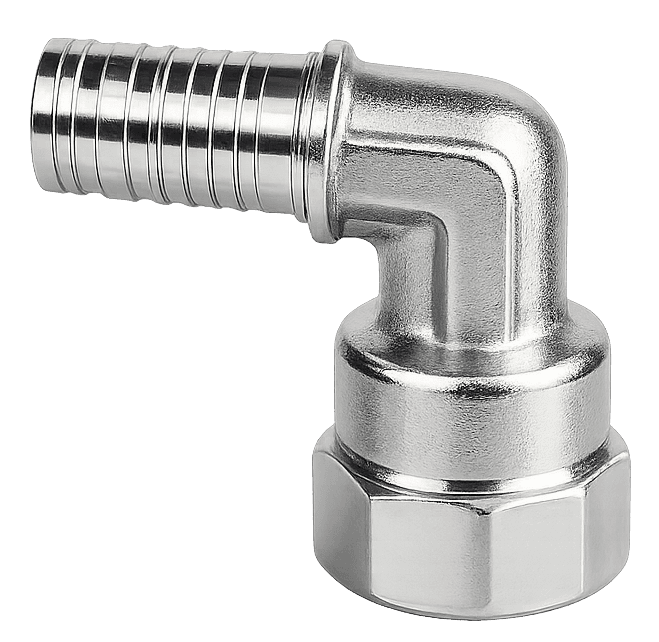
Electrolytic tin plating physically solves the problem. Pure tin, non-toxic and long used to coat the inside of food cans, is deposited on the fitting's surface, forming a continuous barrier. Direct contact between water and brass is reduced through a continuous metallic barrier.