Tinning
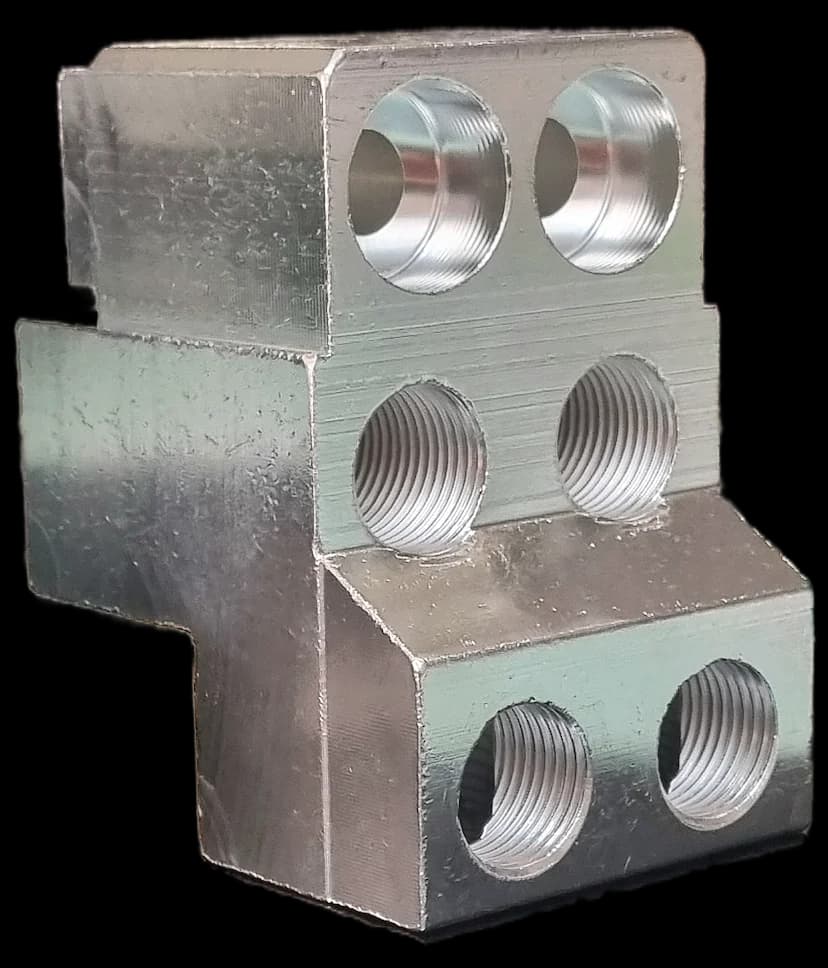
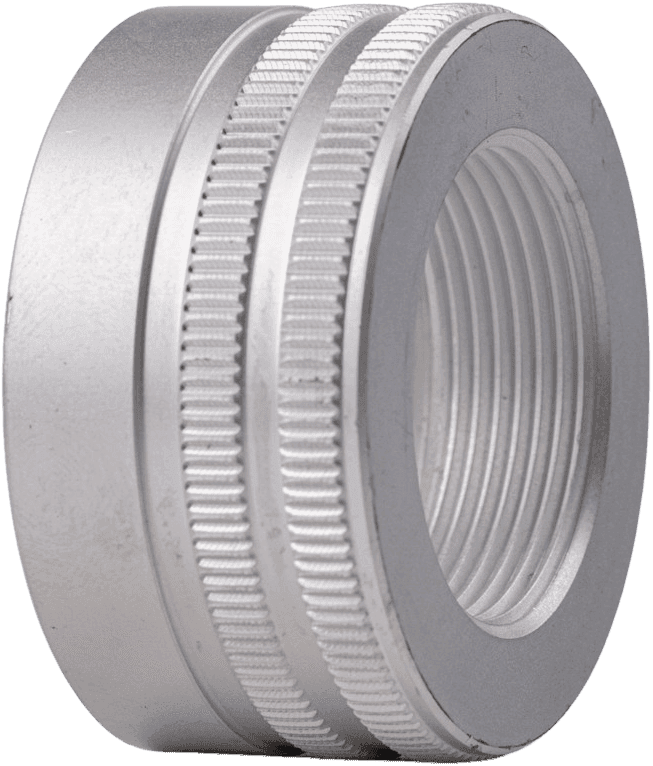
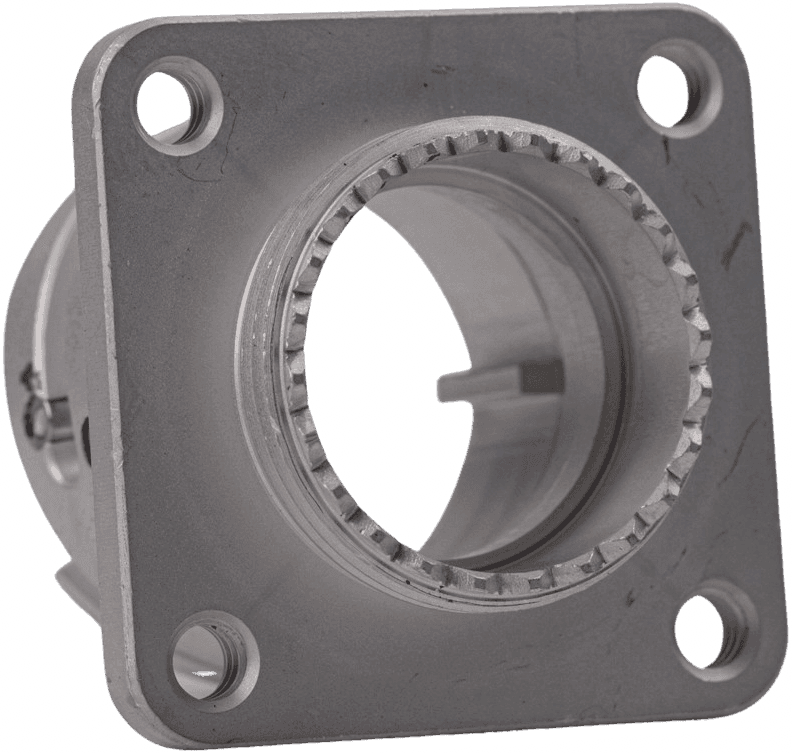
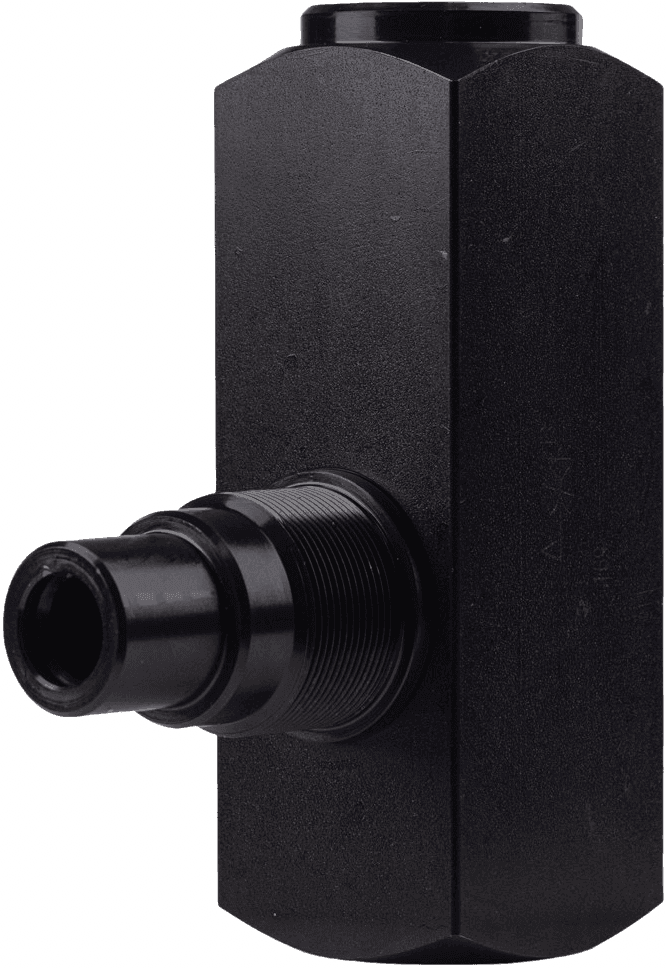
Tinning is a galvanic process, highly appreciated in the electronic and electromechanical sectors, mainly used to improve corrosion resistance and solderability. It is also widely used in the food and hydrosanitary sectors for its compatibility with water used for human consumption.
Supergalvanica specializes in aluminum treatment and holds certification of suitability according to D.M. 06-04-04 for coating materials intended for contact with drinking water.
Technical Characteristics
Consists of an alkaline bath for both matte and glossy finishes, executable with variable thickness on request from 1 to 30 microns. Generally, before tinning a brass item, a copper underlayer is deposited to prevent zinc migration from the brass alloy to the tin layer. In the case of aluminum products, the underlayer can be copper or nickel depending on the requirements. The final color of the product is silver-white.


Materials Treated
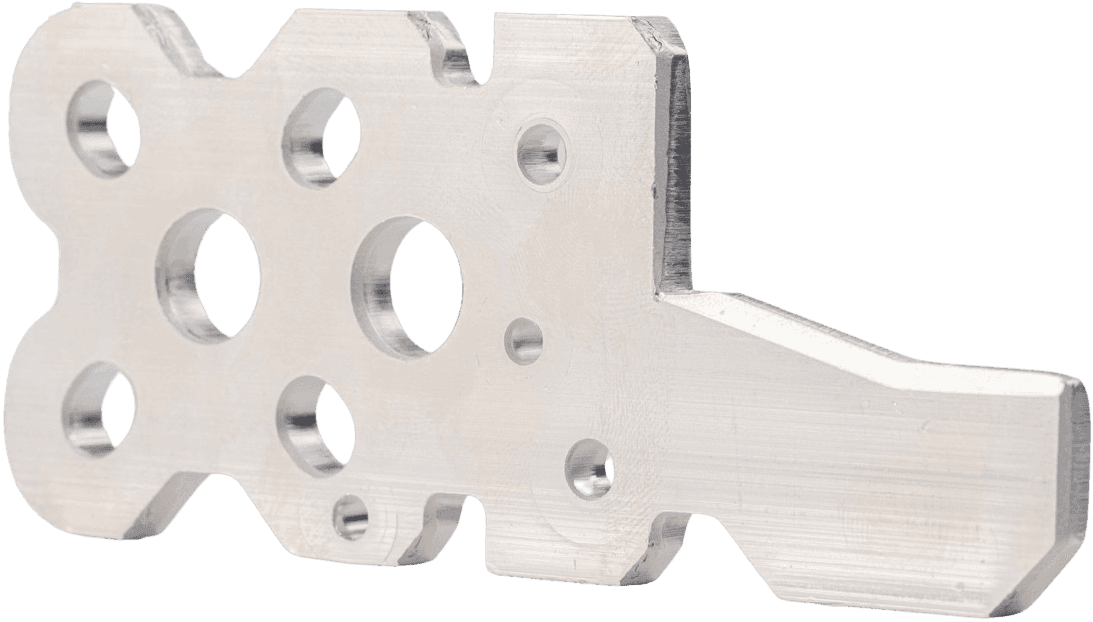
- Aluminum
- Copper
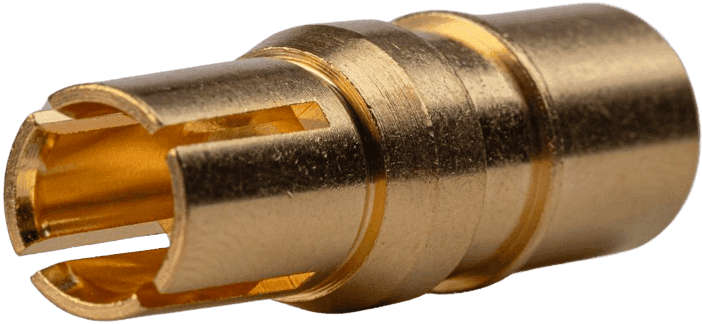
- Brass
- Iron

Allowed Dimensions
Frame processing up to 4 meters in length and barrel plating for small parts.

Types of Treatment
- Frame
- Barrel
Application examples
Some of the sectors we serve, in detail: dedicated requirements, capacity and process documentation.
Frequently Asked Questions
5Tin plating is a galvanic process that deposits a tin layer on metal components. It is highly valued in the electronics and electromechanical sectors for its high electrical conductivity and excellent solderability. It is also widely used in the food and plumbing sectors due to its compatibility with potable water.
Yes, Supergalvanica holds the suitability certification according to Italian Decree D.M. 06-04-04 for coating materials intended for contact with potable water. This certification makes tin plating ideal for plumbing and food industry applications.
Supergalvanica offers both matte and glossy finishes using an alkaline bath, with variable thickness from 1 to 30 microns. Matte finish is more common in electronic applications for soldering, while glossy finish is preferred when aesthetics are also required. The final colour is silvery white in both cases.
Yes, solderability is one of the main reasons tin plating is chosen in the electronics sector. The tin deposit ensures excellent solder wettability, facilitating electronic assembly processes and ensuring reliable joints.
Both treatments offer good conductivity and solderability, but with important differences. Tin plating is lower cost and more oxidation-resistant, making it ideal for large-scale electronic applications. Silver plating offers superior electrical conductivity but is more susceptible to oxidation and higher in cost.


Need to improve the corrosion resistance and solderability of your components? Our galvanic tinning is the ideal solution. Our treatment ensures superior anodic behavior and compliance with certification for contact with drinking water.
Contact us today to discover how our tinning treatments can meet your needs. Our team of experts is ready to provide you with consultation, personalized quotes, and answer all your questions.