Passivation
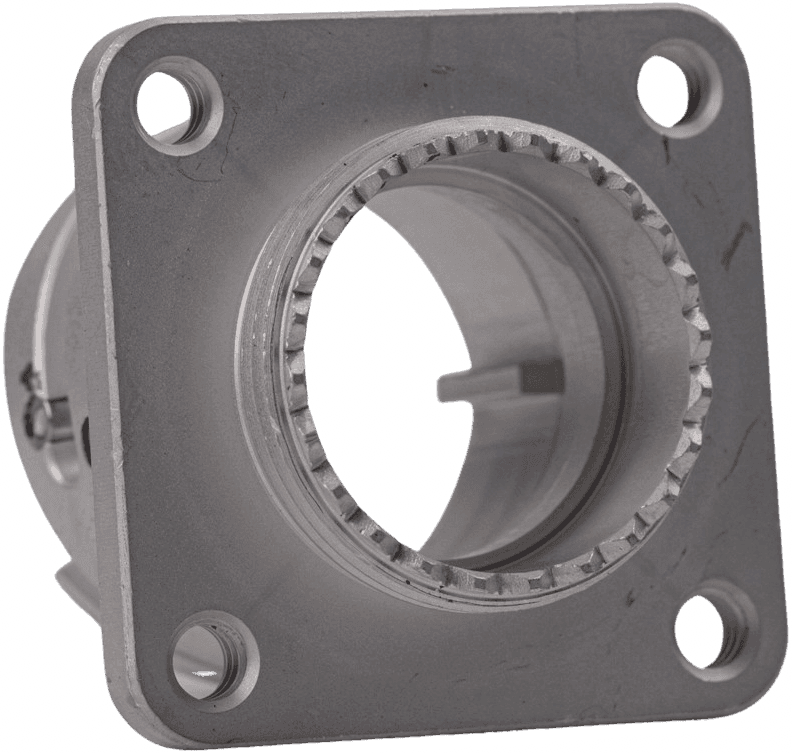
Passivation is a chemical treatment used to make a material less reactive to external agents. This process forms a protective layer on the material's surface, significantly reducing corrosion.
The passivation process works by creating an oxide layer on the metal surface. This layer acts as a barrier that prevents oxidizing agents and corrosive elements from penetrating and reacting with the base metal.
Technical Characteristics
Aluminum Passivation
This surface conversion chemical treatment produces a passive film by transforming the surface layers of aluminum. It can be performed as a final treatment or as a pretreatment for painting. It is carried out on aluminum and its alloys.
Stainless Steel Passivation
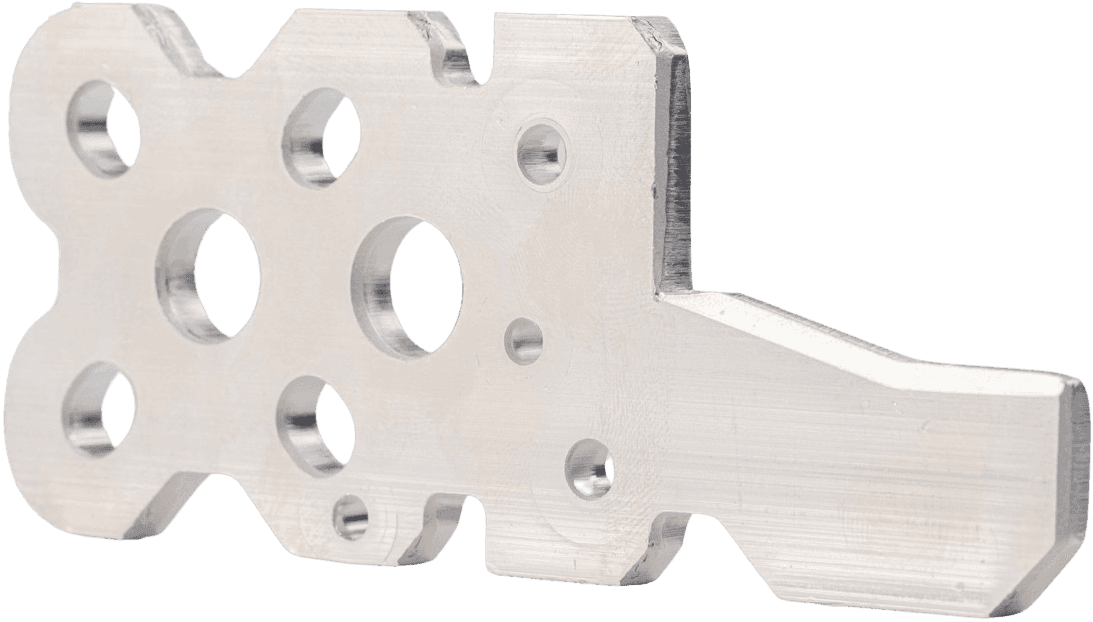
This chemical treatment is performed on stainless steel parts to remove iron or other less noble material contaminants that would compromise the corrosion resistance of the components.


Materials Treated
- Aluminum
- Stainless Steel

Allowed Dimensions
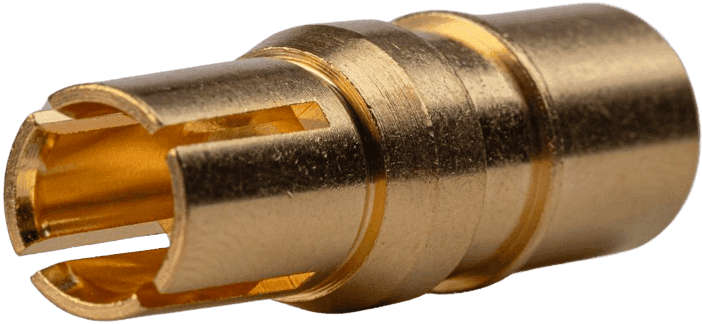
Frame processing up to 2 meters in length and barrel plating for small parts.

Types of Treatment
- Frame
- Barrel
Frequently Asked Questions
5Passivation is a chemical treatment that makes a metal surface less reactive to external agents. The process creates a protective oxide layer that acts as a barrier against corrosion, preventing oxidising agents from penetrating and reacting with the base metal.
Aluminium passivation is a surface conversion treatment that transforms surface layers creating a protective film, usable as a final treatment or as a pre-treatment for painting. Stainless steel passivation removes iron contamination and other less noble materials that could compromise the natural corrosion resistance of stainless steel.
Yes, aluminium passivation is widely used as a pre-treatment for painting. The passive film created on the surface improves paint adhesion and provides additional protection against corrosion under the painted coating.
Aluminium passivation may impart a slight surface colouration depending on the treatment type, but generally does not significantly alter the aesthetic appearance of the component. Stainless steel passivation does not alter appearance, maintaining the original material finish.
Protection duration depends on the type of passivation, base material, and environmental conditions. As a final treatment on aluminium, passivation provides adequate baseline protection for many applications. For more aggressive conditions, it is recommended to combine it with painting for long-lasting protection.

If you want to make your materials less reactive to external agents and significantly reduce corrosion, our passivation treatment is the ideal solution. This process forms a protective oxide layer on the metal surface, creating a barrier against oxidizing and corrosive agents.
We offer passivation for aluminum, creating a passive film ideal even as a pretreatment for painting, and for stainless steel, removing iron contaminants to improve corrosion resistance. Contact us today to discover how our passivation treatments can enhance the performance of your components. Our team of experts is ready to provide you with personalized consultations, detailed quotes, and answer all your questions.